Exploring Korean contemporary art and its representative artists offers a glimpse into how Korean society has captured emotion, history, and cultural transformation through visual language. After the Japanese occupation, the Korean War, industrialization, and democratization, Korean contemporary art evolved into diverse genres and philosophies. Today, Korean artists are recognized worldwide for their originality and depth. I still remember the first time I saw Nam June Paik’s work in a museum—it wasn’t just an installation, but a powerful message about technology, humanity, and the future. Korean contemporary art carries such thought-provoking energy.
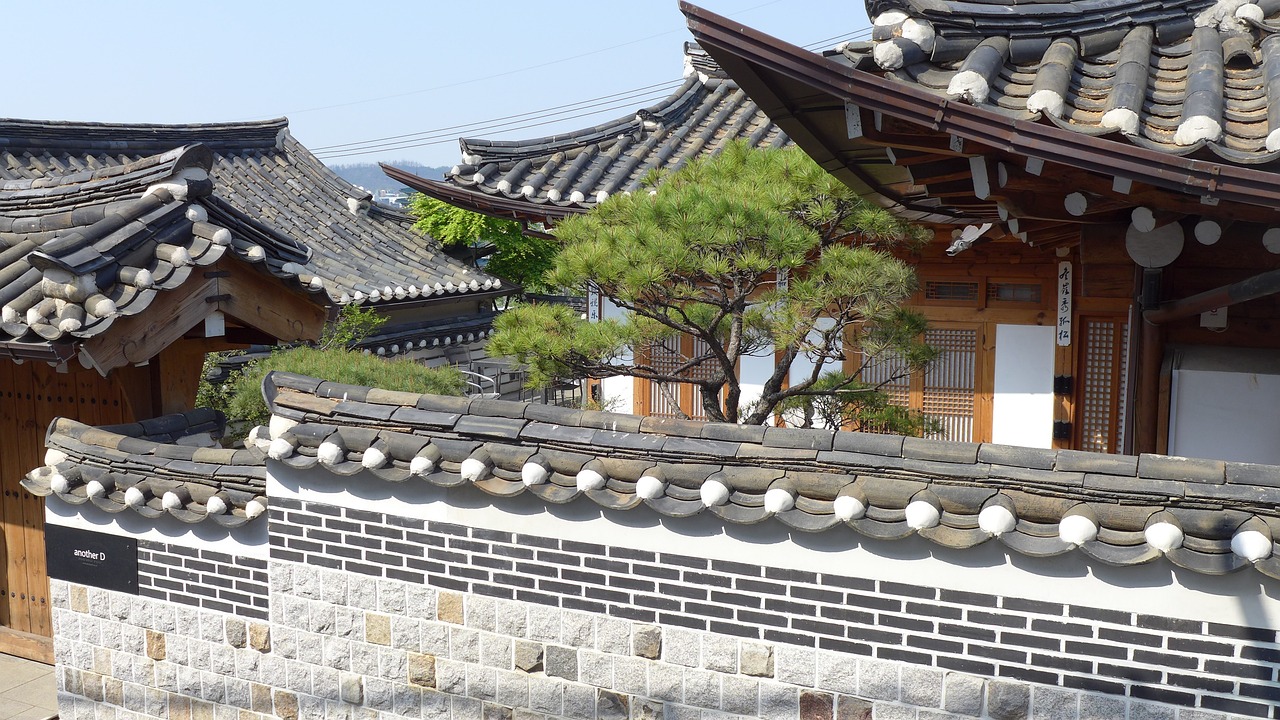
Korean identity beyond Western influence
While Korean contemporary art initially drew inspiration from Western techniques, it gradually shaped its own identity. Movements such as Minjung Art, Dansaekhwa (Monochrome Art), installation art, and media art emerged, blending tradition with modern perspectives. In particular, Minjung Art of the 1970s–80s expressed the political struggles and lives of ordinary people, proving that art can reflect societal realities and spark dialogue.
Korean contemporary art has long served as a bridge between artistic expression and social commentary.
Nam June Paik and the birth of media art
No discussion of Korean contemporary art and leading artists is complete without mentioning Nam June Paik. Known as “the father of video art,” he broke traditional boundaries by merging technology with artistic expression. Using televisions, closed-circuit systems, and satellite broadcasts, he pioneered media art and influenced artists around the world. His Golden Lion award at the 1993 Venice Biennale cemented Korea’s presence on the global art stage. Refer to the table below.
| Artist | Primary Field | Notes |
|---|---|---|
| Nam June Paik | Media art, video installation | Founder of video art |
| Lee Ufan | Dansaekhwa, installation art | Creator of the “Relatum” concept |
| Jeong Yeondoo | Photography, video installation | Explores the boundary between everyday life and fantasy |
Global re-evaluation of Dansaekhwa artists
Since the 2010s, Dansaekhwa artists have gained strong global recognition. Artists such as Lee Ufan, Park Seo-bo, and Yun Hyong-keun are known for exploring repetition, materiality, meditation, and the relationship between the physical and the spiritual. Lee Ufan’s works—marked by repeated dots and lines that examine the connection between space and existence—have been showcased in many world-renowned museums. His “Relatum” series opened a new dialogue between philosophy and art, giving Korean minimalism a unique international identity.
Dansaekhwa has established itself as a uniquely Korean artistic flow defined by quiet depth and refined simplicity.
Experimentation and diversity among contemporary artists
Today’s younger generation of Korean artists embraces multimedia and experimental ideas. Jeong Yeondoo blends photography and video installation to blur the boundary between reality and fantasy, while Choi Jeong Hwa uses colorful plastic objects to comment on consumer culture. Artists like Kang Seo-kyeong, Kim Yoonsu, and Im Heung-soon incorporate painting, sculpture, VR, and archival work to express modern Korean identity. They are invited to international biennales and art fairs, expanding the reach and influence of Korean contemporary art.
Contemporary Korean art now thrives on diversity, experimentation, and global dialogue.
Conclusion
Korean contemporary art and its leading artists are no longer confined to domestic recognition—they actively shape the global art landscape. From Nam June Paik’s groundbreaking innovations to the philosophical depth of Dansaekhwa artists and the bold expressions of emerging creators, Korean art continues to grow through originality and purposeful thought. With such rich artistic evolution, Korean contemporary art will continue inspiring and expanding artistic imagination across the world.