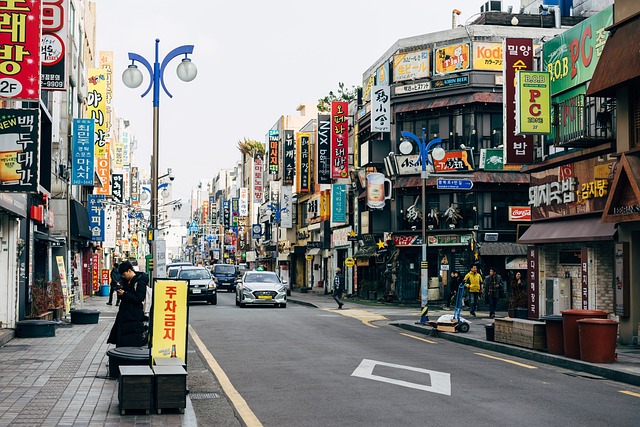
Jeong (정) is a uniquely Korean concept that blends deep affection, empathy, and interpersonal bond into an almost tangible emotional thread. It transcends mere friendship or love, creating a sense of belonging that endures through shared experiences, mutual support, and unspoken understanding. While jeong can turn acquaintances into lifelong companions and foster solidarity during challenging times, its all-encompassing nature can also lead to emotional fatigue when obligations and expectations become overwhelming. In this article, we explore the origins of jeong, how it strengthens social ties, the ways it manifests in daily life, and the moments when its warmth can tip into emotional burden.
Roots of Jeong and Its Cultural Significance
Jeong traces back to traditional Korean philosophies emphasizing harmony, collective well-being, and filial piety. In village communities, neighbors shared labor, food, and stories over generations, gradually weaving deep emotional ties that persisted even after people moved away.
This cultural backdrop gave rise to a premium on long-term relationships and an inclination to support others unconditionally.
As Korea modernized, jeong remained vital: colleagues who endured late nights at the office together, classmates who prepared for exams side by side, and extended family networks that pooled resources all embody the spirit of mutual care and collective resilience that jeong represents.
Everyday Expressions of Jeong in Modern Life
In contemporary Korea, jeong reveals itself in small yet meaningful gestures: a friend delivering homemade side dishes during exam week, a coworker bringing extra coffee after a late meeting, or neighbors shoveling each other’s driveways when it snows.
These actions create a sense of reciprocity and trust that cements long-lasting bonds beyond transactional interactions.
Gift-giving during holidays, surprise visits with steaming soup when someone is sick, and collective celebrations of milestones further illustrate how jeong turns ordinary moments into shared memories, weaving individuals into a closely knit social fabric.
When Jeong Becomes an Emotional Obligation
Despite its warmth, jeong can turn taxing when the unspoken expectation to reciprocate favors escalates. Maintaining numerous close ties often requires time, resources, and emotional energy—something that can clash with busy modern lifestyles.
Failing to uphold these reciprocal obligations may spark guilt or fear of social exclusion.
In extreme cases, people feel compelled to join every gathering, buy expensive gifts, or provide support even when they are personally overwhelmed, leading to stress, resentment, and inner conflict as they struggle to balance personal needs with deep-rooted social expectations.
Strategies for Balancing Jeong and Personal Well-Being
Finding harmony between nurturing jeong and preserving emotional health involves clear communication and setting gentle boundaries. It helps to express gratitude for acts of kindness while honestly sharing one’s own limitations.
Framing boundaries as mutual respect rather than rejection allows relationships to retain warmth without undue pressure.
For instance, suggesting a simple gathering instead of elaborate events or offering a heartfelt card when time or finances are tight can honor the spirit of jeong without overextension. Cultivating selective depth—prioritizing a few core relationships—can also ensure that emotional resources are invested sustainably.
| Aspect | Jeong Strength | Potential Strain |
|---|---|---|
| Reciprocal Support | Deep trust and reliability | Obligation fatigue |
| Emotional Bond | Shared memories and empathy | Emotional burnout |
| Community Spirit | Collective resilience | Pressure to conform |
| Informal Etiquette | Natural generosity | Social anxiety |
| Boundary Setting | Respectful honesty | Misunderstandings |
Conclusion
Jeong is a profound force in Korean culture that fosters enduring connections, collective care, and a sense of belonging. Its warmth shines in everyday acts of kindness and mutual sacrifice, creating social bonds that weather hardship. Yet when jeong transforms into heavy obligations without clear boundaries, it can drain emotional reserves and strain relationships. By embracing transparent communication, setting respectful limits, and focusing on a manageable circle of meaningful ties, individuals can preserve the positive power of jeong while protecting their own well-being—maintaining a cultural heritage of care without losing personal balance.