When I first encountered the topic “Discovering spaces where history and modernity coexist in Seoul,” I immediately thought of walking in front of Gwanghwamun. The traditional tiled roofs of the royal palace set against the backdrop of modern skyscrapers felt like seeing the past and future in one frame. Seoul is not just a capital city —
it’s a unique city that holds centuries of history while living in the present
. Today, I’d love to share some of the special places where that harmony truly comes to life.
Living in Seoul, I often stumbled upon traces of the past in places I thought I knew well. It made walking through the city more meaningful and transformed familiar streets into new discoveries. Through this article, I hope you can experience how Seoul beautifully blends its past and present, just as I have.
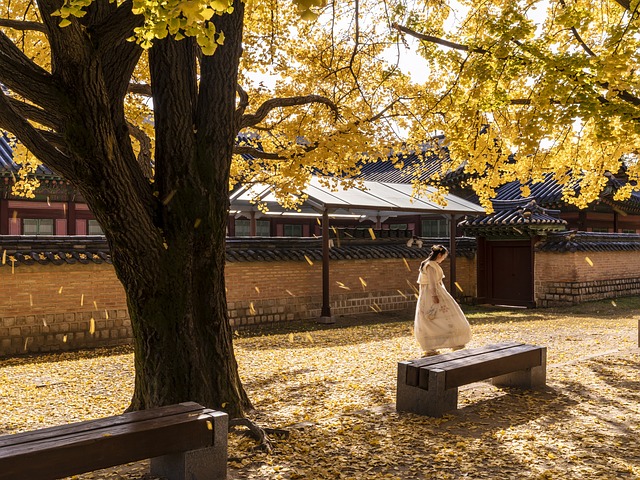
The Contrast Between Gyeongbokgung Palace and Sejong Center
Gyeongbokgung Palace is one of Seoul’s most iconic landmarks. As the main royal palace of the Joseon Dynasty, its grandeur and elegance are unforgettable. When I first visited, I felt as if I had stepped back in time. Yet, right across the street stands the Sejong Center, a sleek modern building with a glass façade. The juxtaposition is surreal and deeply captivating.
Inside Gyeongbokgung, you can witness traditional ceremonies like the Royal Guard Changing and even try on historical costumes. And at sunset, with the statue of King Sejong standing tall, the view becomes absolutely magical.
This is a space where Korea’s royal past and contemporary arts meet, offering a vivid look at how Seoul bridges its history with modern culture.
The Sentimental Charm of Bukchon Hanok Village and Samcheong-dong
Walk up the hill behind Gyeongbokgung and you’ll find Bukchon Hanok Village. It’s a residential area where traditional Korean houses (hanok) have been carefully preserved. As I wandered through the narrow alleys, I could hear the faint knock of wooden doors — a quiet, timeless atmosphere that pulls you in.
As you walk down from Bukchon, you naturally arrive at Samcheong-dong. This neighborhood seamlessly combines tradition and modern design, with hanok-style buildings nestled next to trendy cafés, galleries, and design shops. I often sit in a quiet café there to read or write — it’s the perfect mix of nostalgia and inspiration.
Bukchon and Samcheong-dong are places where time slows down, allowing the old and new to flow together naturally.
refer to the table below
| Place | Description | Note |
|---|---|---|
| Gyeongbokgung Palace | Main royal palace of the Joseon Dynasty; features royal guard ceremonies | Near Gwanghwamun Square |
| Samcheong-dong | Mix of hanok and modern design shops and galleries | Connected to Bukchon |
| Sejong Center | Major venue for contemporary performing arts | Located in front of Gwanghwamun |
DDP and Cheonggyecheon: A Meeting of Time Periods
Dongdaemun Design Plaza (DDP) is a futuristic building with sweeping curves and glowing lights at night — it almost looks like a spaceship. But right next to it, you’ll find remnants of the Joseon-era city wall. And just a short walk away is Cheonggyecheon, a restored urban stream running through downtown Seoul.
Once buried under concrete roads, Cheonggyecheon was revitalized in the 2000s and is now a peaceful oasis for locals.
Together, DDP, the old city wall, and the stream form a space where Seoul’s past, present, and nature converge in one seamless experience.
Seochon: A Quiet Neighborhood Where Time Flows Slowly
West of Gyeongbokgung lies Seochon, a lesser-known gem compared to Bukchon. This area was once home to many artists, poets, and painters, and still retains a calm, authentic charm. You’ll find artisan shops, workshops, and small cafés hidden in narrow alleys — modern creativity blended with historical ambiance.
Because Seochon prioritized preservation over redevelopment, the neighborhood retains its vintage look. Walking here often feels like stepping back in time. Every old signboard and shop window tells a story, reminding you that Seoul isn’t just a fast-paced city — it also knows how to slow down.
Seochon offers a lifestyle where you can live slowly and savor the everyday, right in the heart of Seoul.
Seoullo 7017 and the Vibrant Namdaemun Market
Seoullo 7017 is a repurposed highway overpass turned into a sky garden and walking path near Seoul Station. It’s lined with flowers, cafés, and even bookstalls. I love walking here in the evening when the lights come on — it’s a quiet, romantic escape above the city.
Directly below lies Namdaemun Market, a traditional market filled with energy. The calls of merchants, the smell of street food, the bustling crowd — it’s a sensory feast and a sharp contrast to the serenity of Seoullo 7017 above.
In this area, you can see the future from above and touch the past below — a perfect representation of Seoul’s dual character.
Conclusion
As we’ve explored in this guide to spaces where history and modernity coexist in Seoul, the city is more than a place where old and new simply sit side by side.
It’s a living stage where different eras communicate and coexist in harmony.
Every space holds memories, identity, and a piece of the city’s soul.
Next time you walk through Seoul, take a moment to pause and look around. You might discover a forgotten trace of time hidden in a familiar place. That’s what makes Seoul so special — a city where the past and the present walk hand in hand.